
Translate this page:
You can translate the content of this page by selecting a language in the select box.
Share this link!

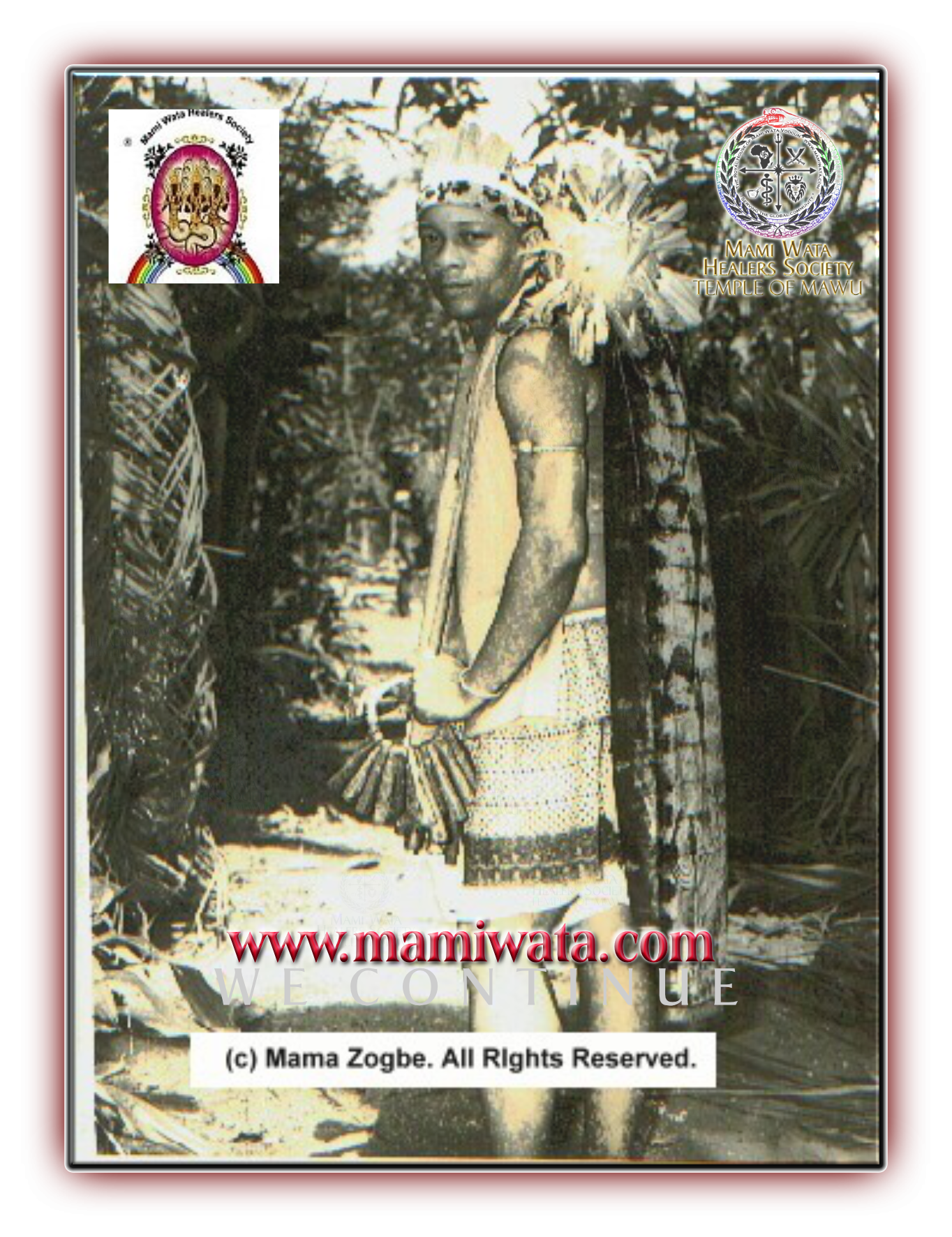
Kponhento Papa Mou Mou Akuété Durchbach receiving Atchina Heviosso/Shango, one of his tutelary divinitites.
Papa Mou Mou Akuété Durchbach was the godfather of Mama Zogbé.
Aneho, Togo, West Africa 1985.
In the altar, bodyguards appear as thunder axes (oshe) and thunder-rattles (shere). His wife, Oya, returns in the form of horns.
Twin children, specially protected by Shangó are present in miniature representations of his altar. Often his elder sister, Dada-Bayonni, herself a saint among saints, returns in the form of a cowrie-studded crown.
Based on the altars from the Oyo-region of Nigeria during the first half of the twentieth century, many of the key attributes of an African altar to Shangó are illustrated here. The central figure with a calabash resting atop her head is known as an arugba, and is used to hold an inverted mortar and pestle.
Heviosso: Togo, West Africa.
Shango, the god Wole Soyinka refers to in his poem "Hunt of the Stone", occupies a major position in the pantheon of the Ewe & Yoruba tribe, although he holds a less important position in neighboring tribes.
Shango (also spelled Sango and Sagoe) creates thunder and lightning by casting "thunderstones" down to earth; wherever lightning strikes, priests search the surrounding area for the thrown stone. The Yoruba believe these stones have special powers, and they enshrine the stones in temples to the god.
Shango has four wives, each personified by a major Nigerian river; his chief wife, Oya, is represented by the River Niger. One myth about Shango tells of when he was human and ruled as the fourth king of the ancient Yoruba capital of Oyo. He had a charm that could cause lightning, with which he inadvertently killed his entire family. In remorse he hanged himself, and upon his death he became deified.
Although the "foremost national deity", according to some, the Yoruba do not consider him the most powerful or even the most important god; rather, his popularity may have resulted from attempts to ward off the frequent tornadoes that strike western Africa.