
Translate this page:
You can translate the content of this page by selecting a language in the select box.
Share this link!
By
Eileen Rivers
AUGUSTA FOCUS Staff Writer
AUGUSTA
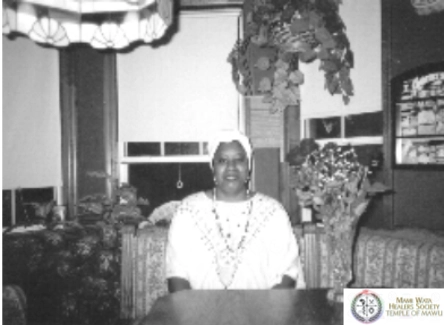
Mamaissii (pronounced ma-me see) Vivian Dansi (dan-zy) Hounon in her Mami Wata shrine -- a white portable located behind her Martinez home -- speaking comfortably about almost any religion. She acknowledged the existence of angels within Christianity and the common practice of Buddhists to leave offerings outside of far east temples. Yet when it comes to practicing their own beliefs, many of which are the same, Mami Wata [devotees] are often met with opposition, Hounon, who recently founded OATH (Organization of African Traditional Healers), explained.
"This is a religion that is frequently being talked about in academic circles for understanding," she said. "People are still so miseducated about what we do." Inside the shrine, carefully put together by her relatives from Africa's West Coast, a "spirit mirror" sat in the middle of a small, white altar, juxapositioned to a larger shrine.
Surrounding it were colorful, but non-literal, manifestations of deities within the faith -- a picture of a multi-limbed powder-white water Goddess; a statue of mother water spirit rising out of an ocean wave; and a small shrine of what looked like the Virgin Mary hanging on a far wall.
Hounon sprayed incense perfume on her hands, rubbed them together to concentrate on this reporter's "spiritual divination."
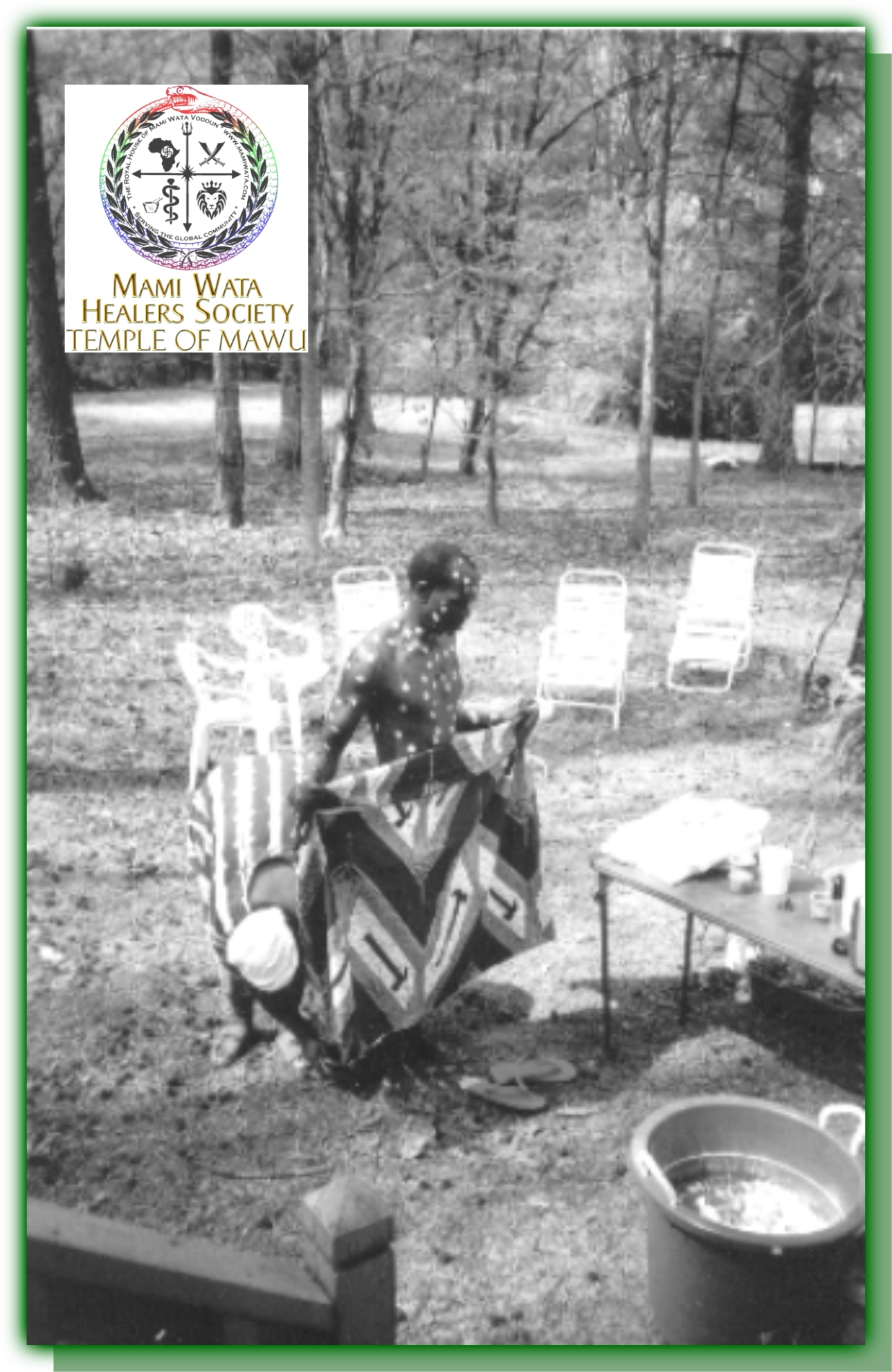
Mamaissii heals with Earth god Sakpata who works with her Mami spirits.
"A divination is not the same as fortune telling," Hounon explained. "What I do is tell the person about their past, and listen to what the spirits tell me things about them, warnings or things that may come to pass in their future. I also have to say that these are not the normal circumstances under which a divination is done." Usually her clients are welcomed through the sheer, white curtain of the Mami Wata shrine under less conspicuous circumstances. But even while waiting for her predictions, the atmosphere was more inviting, and not as intimidating as is usually associated with alternative religious rituals: Though all of her predictions weren't 100 percent, it's her ability to spiritually assist people, or hone in on their unique spiritual traits, that keeps her clientele growing, she said. "People get to know me through word of mouth," she added. "They hear about what I do, about how well I heal others, and they come for spiritual guidance."
--But because her religion which celebrates earth and nature as divine forces -- has been unjustly linked to "voodoo," occultism and sinister accusations of witchcraft, western skepticism is nothing new to Mami Wata followers, according to Hounon. "Between Hollywood sensationalism, and early demonization of our practices, which were brought to America by thousands of Africans during slavery, it has been turned into
something else," she added. Hounon, 44, was born into the Mami Wata religion, which originated in West Africa several hundred years ago. Today there are many followers all over the country, and OATH, is an attempt to unify members of all African religions across the nation. As a Mamaissii (priestess) of both religions, Hounon frequently conducts spiritual healings -- a ritual that balances the physical body with its inner being. She advised another session, at a charge of $100. "When something is lacking with our spirit it can manifest itself in many different ways," she explained.
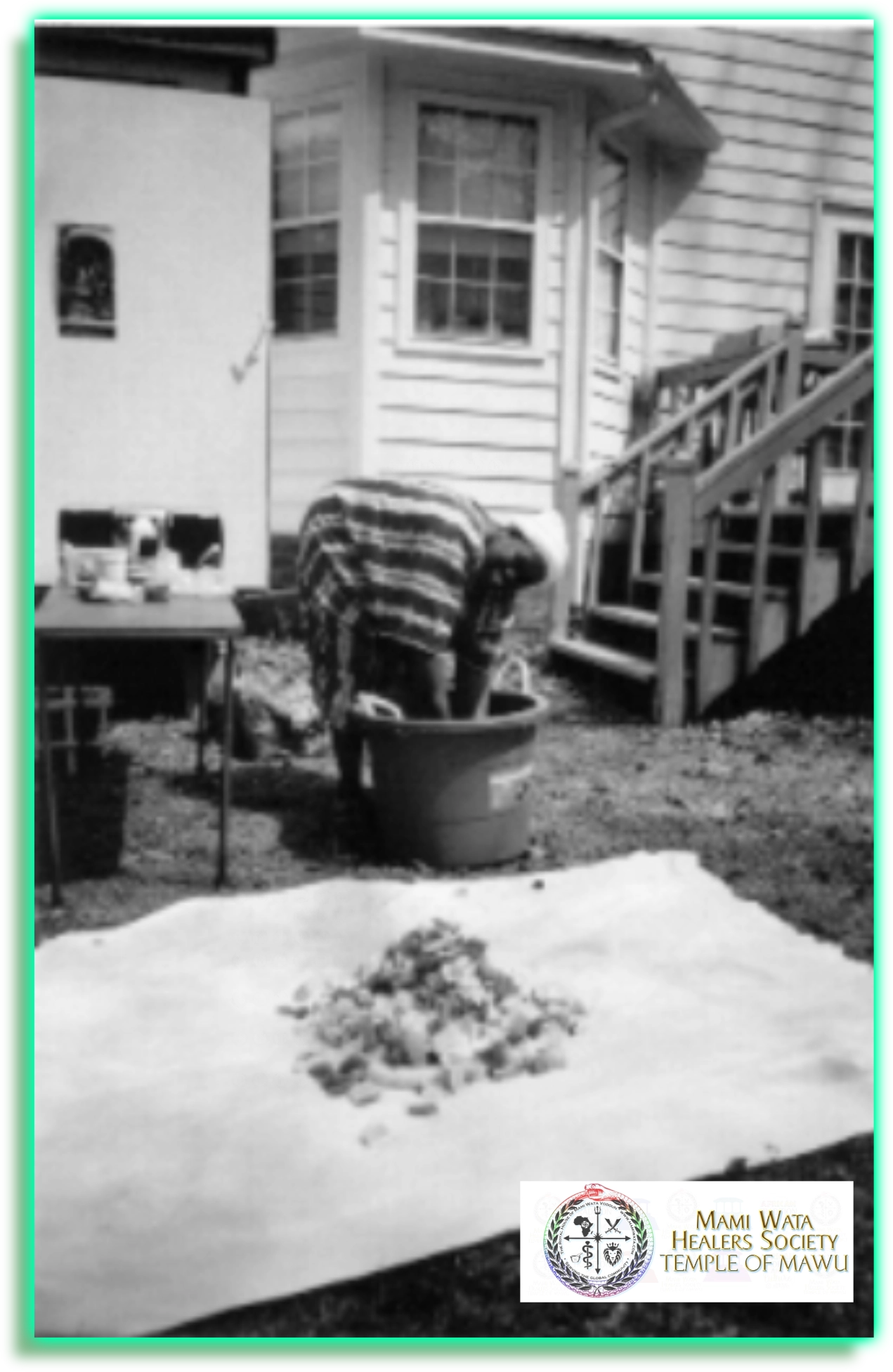
Mamaissii prepares offering
to the Mami Wata on behalf
of sick client.
"Sometimes we may feel sick or depressed. I have been successful in healing most conditions, from impotence to infertility, depression, obsessive compulsive disorders." Healings are not confined only to people within the religion, Hounon added. "This is non-denominational healing process. I was born with the ability to do this, and it's what I do for the community," she added.
The cleansings are done outside of the shrine in her backyard, using healing herbs, oils, perfumes, and powders, most of which are imported from Togo. "The point of establishing OATH is to bring respect through education, and legitimizeAfrican religions as major schools of faith," Hounon said. Like most other religions
they [Vodounl are monotheistic, worshiping Mawu (ma-woo) as their ultimate God in the Vodoun faith. What are commonly referred to as angels in western religions, are called spirits in the Mami Wata & Vodoun faith, and are of water (Mami Wata), earth (Sakpata), air (Avedji Da), fire (Dan Sissinnon) and sky (Heviosso).
There is also the spirit of creation, intelligence, Da. There are several in each, and all are named in Ewe (ev-way), one of the many dialects spoken in Togo. By far, the most controversial aspect of the religion are rituals that require sacrificing. Ceremonies of atonement and celebration, for example, require the killing of a chicken either to empty the sinful spirits into, or to act as an offering for the god or spirit being celebrated. "The sacrificing is not like Hollywood, with people drinking the blood and making it the focal point of the ceremony," Hounon said. "The ritual itself is the dancing the singing, the praising, the drumming, that is the real ceremony. The sacrifice is just the same as if you were going to slaughter an animal and cook it for dinner."We don't consider this a religion, we consider it a way of life," she continued. "We believe that the spirits will come to you, whether you believe in them or not. And we believe that spirits are always around us." Hounon formed OATH, a non profit organization, this month, and is currently trying to get state permission to perform public ceremonies [for adherents and the community].
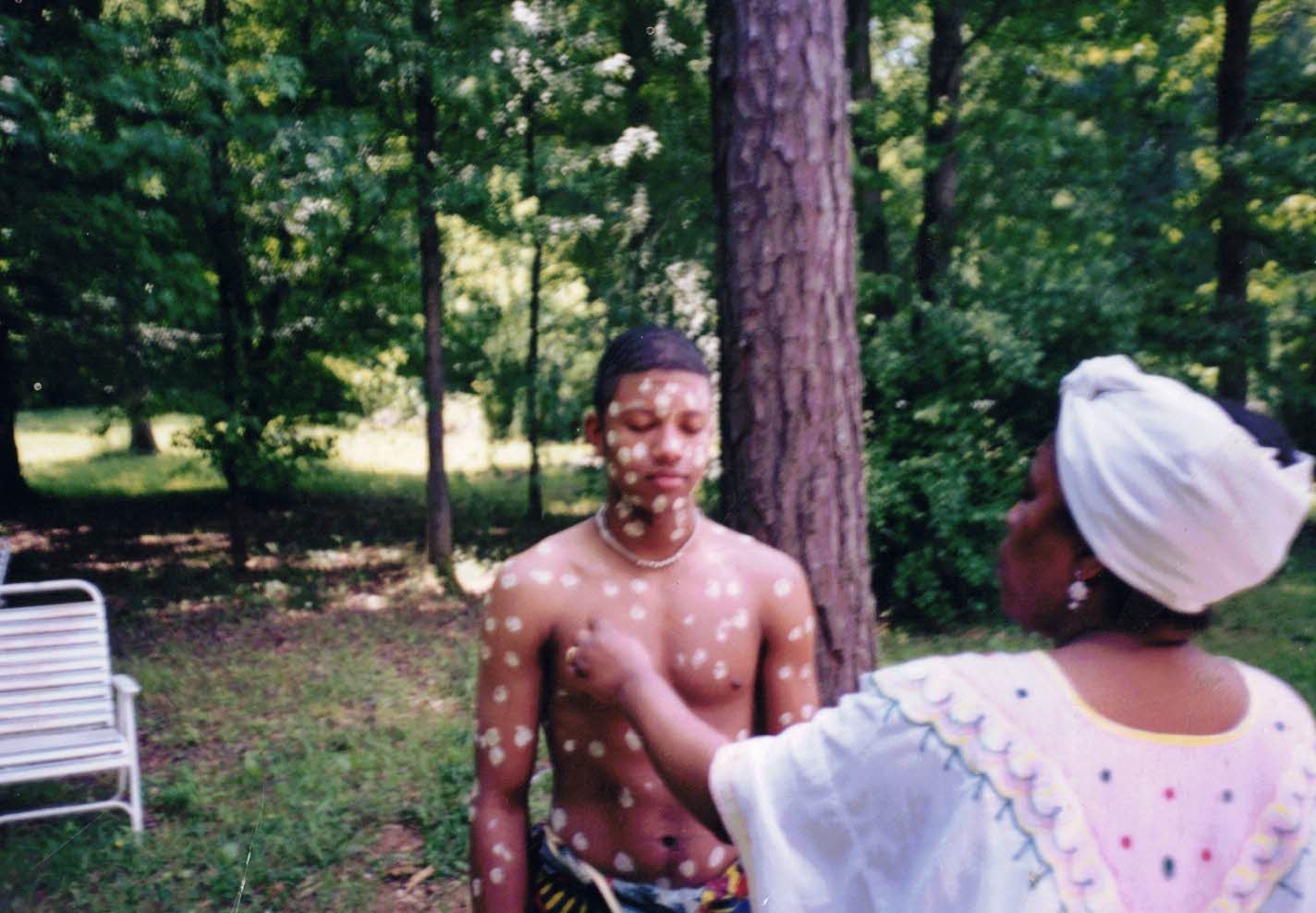
Mamaissii says though Hollywood and others have stereotyped African traditions, groups such as OATH are responsible for changing it.